
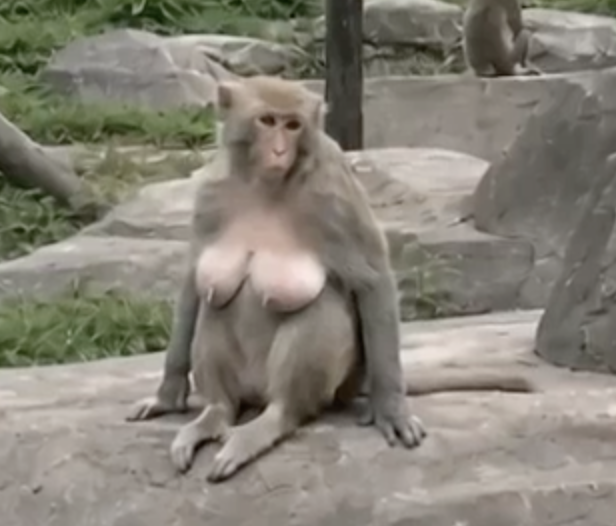
THE CONDITION The zoo described Tata’s condition as persistent mammary hypertrophy. In female macaques, mammary glands normally enlarge during pregnancy and lactation. After nursing ends, that enlargement usually recedes. In Tata’s case, the glands have remained much more pronounced than usual even after nursing. Zoo staff said this is relatively rare.
WHAT IT IS NOT Persistent enlargement of mammary tissue is a descriptive veterinary finding. It is not automatically a diagnosis of cancer. The zoo did not say Tata has breast cancer. Staff said she continues to behave normally and is being closely cared for by keepers. Accurate language matters: hypertrophy describes size and persistence; neoplasia is a separate medical category that would require its own diagnosis.
WHY OCTOBER MATTERS October is Breast Cancer Awareness Month, a period used worldwide to promote screening, early detection, and public education. Tata’s story is not a cancer case study. It is a high-visibility example of unusual mammary appearance being explained in public, at the exact time health campaigns ask people to pay attention to changes in breast tissue and to seek professional evaluation rather than rumor.